
Supporting the Whole Team, Improving Periodontal Care
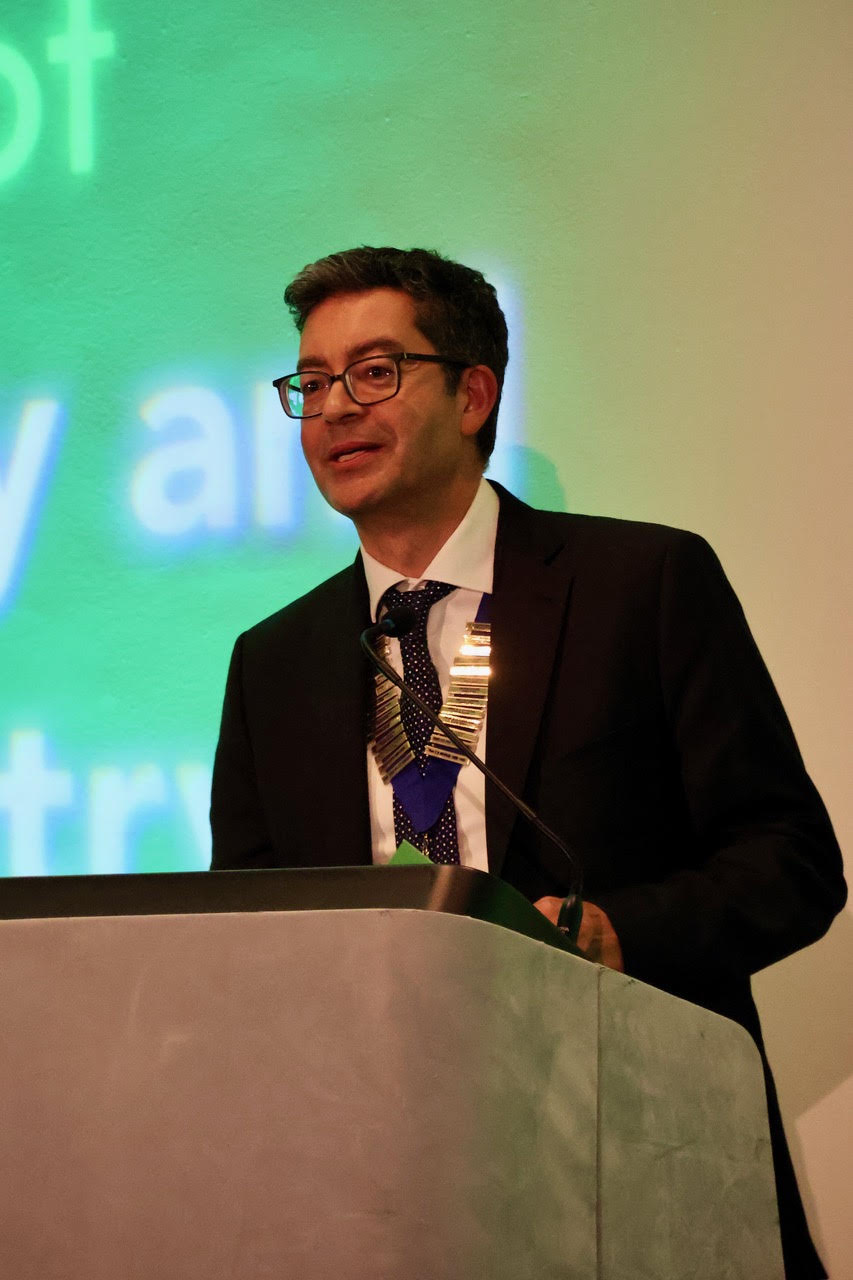
I mentioned in the last newsletter that my postgraduate training started almost 30 years ago, to the day. Of course, I sit here and wonder where all the years went. I signed up for a Perio MSc for little more reason than that I didn’t like doing ‘fillings’. I had spent a couple of years in hospital as an SHO, loving running around a hospital and pretending I knew what I was doing. I remember the calls: the bleep would go off. “Is that the dental SHO?” “No, I’m the maxillofacial SHO.” “Well, your patient needs a catheter.” Wait, what? But I’m a dentist!
General practice didn’t suit me at that stage, and other than going back to study medicine, there was little else surgical I could pursue. Oral surgery as a career path didn’t really exist in the way it does today, and specialist lists were not yet a reality. So, I signed up for a two-year, part-time MSc in Periodontology at Guy’s.
What wasn’t widely known to people like me back then was that the GDC was consulting on the introduction of specialist lists. As we approached the end of our two-year MSc, we were told that we wouldn’t qualify for inclusion on the new lists, although those who had completed their MSc the previous year could apply. If we wanted to join the list, we would have to continue for another two years and complete the newly created MClinDent qualification (let’s not even mention the Royal College hurdles that were also being put in place). I therefore applied, largely to avoid having to face the reality of a proper job.
I was very lucky. As the first year to go through the extended course, we had considerable input into the areas in which we needed further experience. We increased the time we spent on implants, restorative dentistry and multidisciplinary treatment planning. We attended consultant clinics and helped with undergraduate teaching, all while continuing to build our hands-on experience of treating periodontal patients. Those additional two years were what made me the clinician, and periodontist, I am today.
What surprises me is how little the number of specialists has grown in that time. One of the original aims of the specialist lists was to safeguard the public by providing a clear indication of a dentist’s training and qualifications, allowing patients to identify someone with recognised specialist expertise when they needed it. By the end of the transitional, or ‘grandparenting’, period in 2003, there were around 300 specialist periodontists. Here we are, 23 years later, and that number has only reached around 420. Certainly not enough to put a specialist on every high street, let alone to manage all the advanced and complex periodontal disease that exists. In preparing this newsletter, I revisited a 2014 British Dental Journal article by Professors Griffiths and Preshaw, which estimated that between 2,200 and 4,400 periodontal specialists would be needed to meet the treatment needs of the UK population.
But there is an important distinction to make here. Patients do not have to be treated by a registered specialist, nor should we assume that they all need to be. Specialists play a vital role in managing complex cases and providing expertise when it is needed, but they represent only a minority of our membership. The majority of BSP members are general dental practitioners, hygienists and therapists, and it is these colleagues who will be responsible for managing most periodontal disease in this country.
A clinician has every right to treat a patient when they have the appropriate knowledge, skills and experience to do so. The challenge is ensuring that everyone has access to the education, guidance and support they need to provide the best possible care and recognises when a patient would benefit from specialist input.
This is where the BSP has a responsibility to the whole profession. We are a Society for everyone involved in periodontal care, and we must continue to provide accessible education, evidence-based guidance and practical resources to support dentists, dental therapists, dental hygienists and the wider dental team in their day-to-day work. Our role is to raise standards, build confidence in managing periodontal disease and encourage collaboration across the profession.
The challenge ahead is not simply to increase the number of specialists, important though that may be. It is to ensure that every member of the dental team is equipped to manage periodontal disease effectively and knows when specialist expertise is needed.
Ultimately, improving periodontal health is a shared responsibility. The BSP’s role is to bring us together, support our professional development and help ensure that patients receive the right care, from the right person, at the right time.
Best wishes
Dr Paul Baker
BSP President 2026